Richard van de Crommert, Music Journalist
October 17, 2026
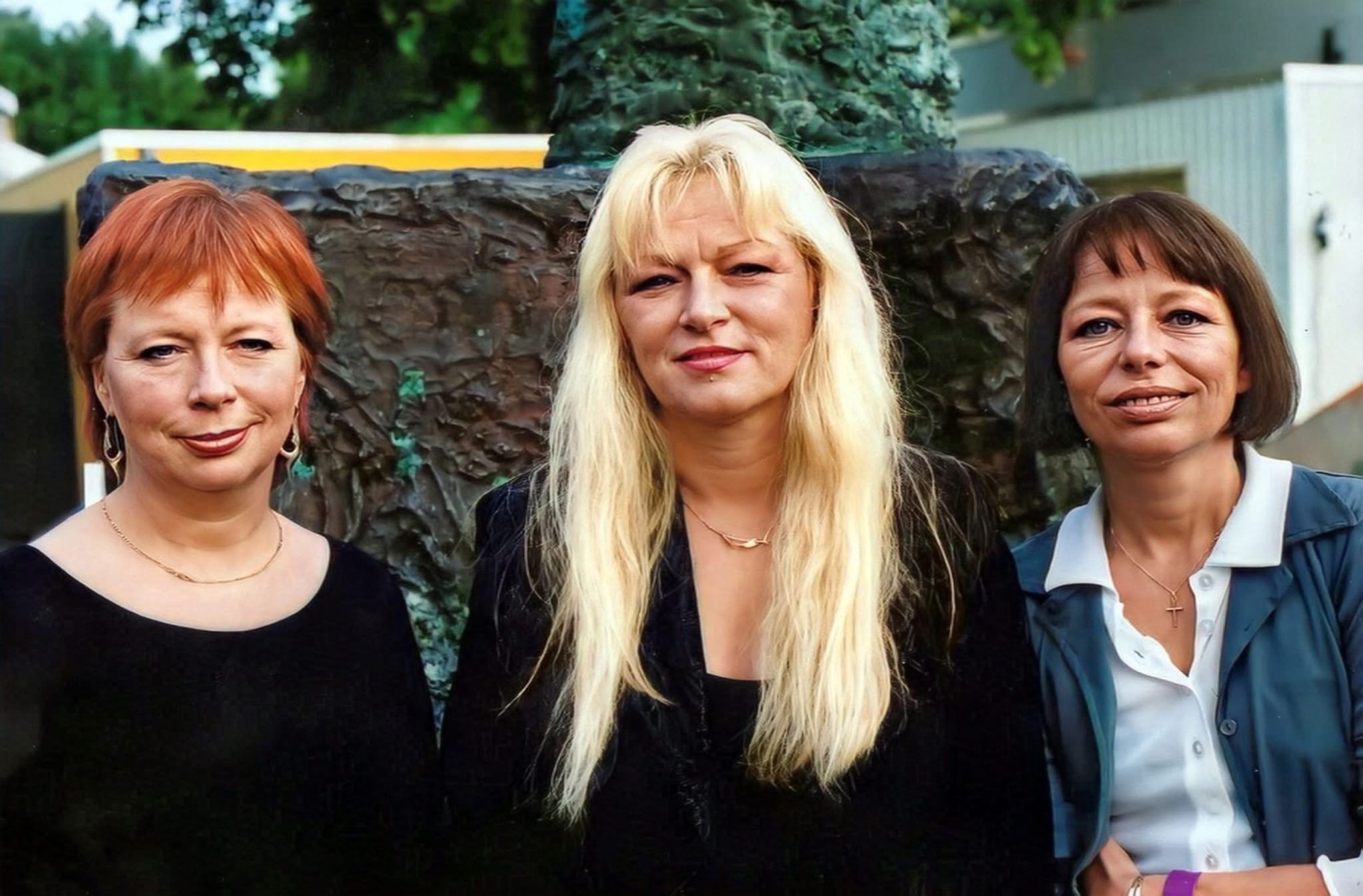
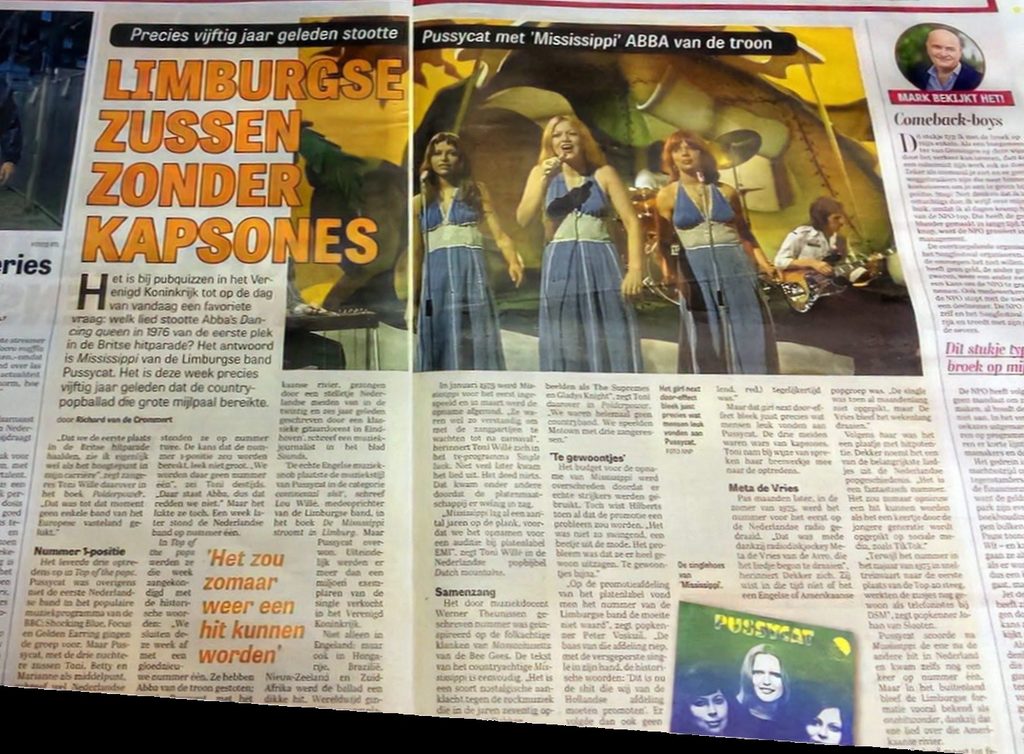
Exactly 50 years ago, three Limburg sisters had a number-one hit in England
It’s still a favorite question at pub quizzes in the UK: which song knocked Abba’s Dancing Queen off the top spot in the UK charts in 1976? The answer is Mississippi by the Limburg band Pussycat. This week marks exactly fifty years since the country-pop ballad reached that big milestone.
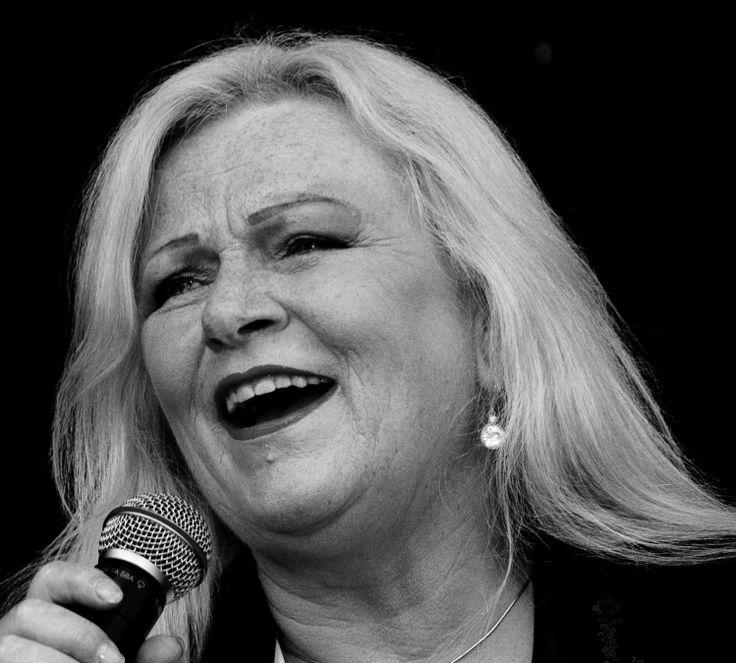
“That we reached number one on the UK singles chart, I actually see as the highlight of my career,” says singer Toni Willé about it in the book Polderpower. In the Netherlands, it’s part of the news. De Telegraaf stressed once again that October week just how unique the achievement is. “The UK singles chart, traditionally an almost closed market for pop music from the continent, is topped this week by a Dutch group.”
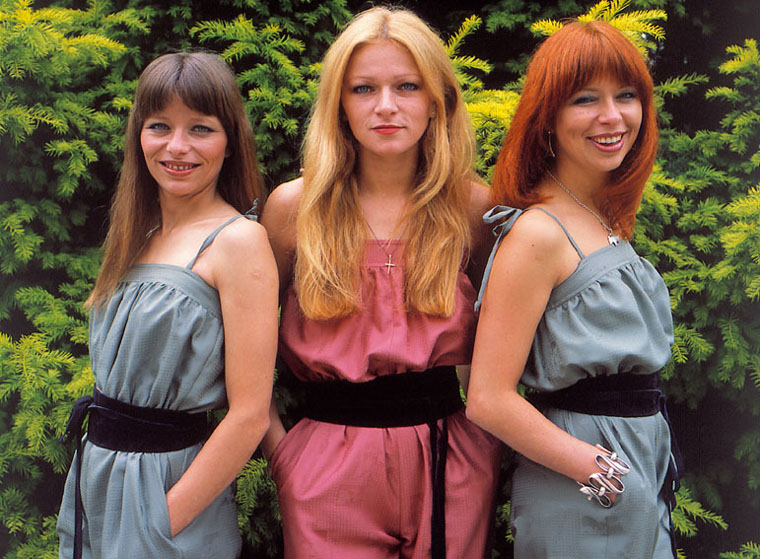
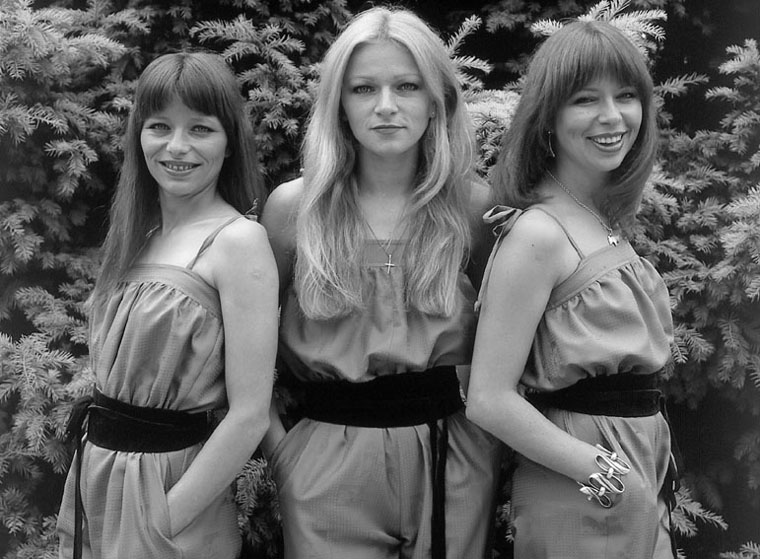
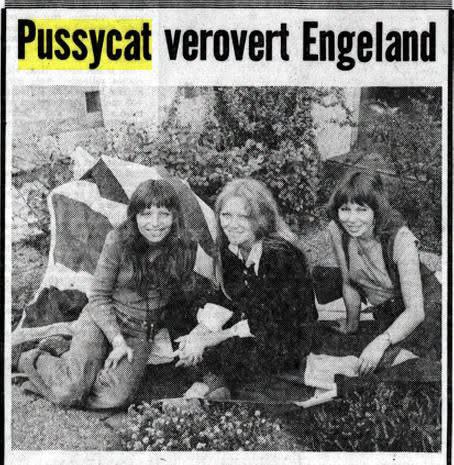
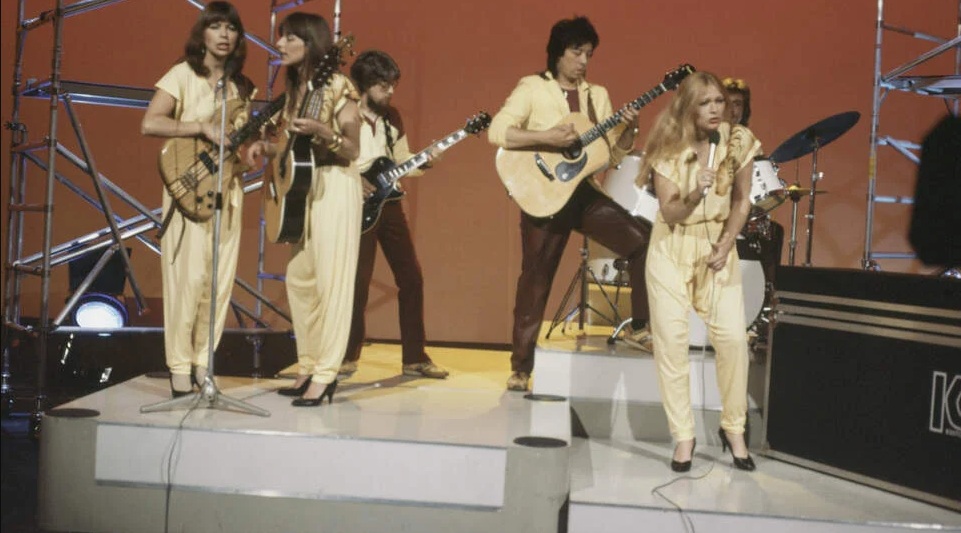
It earned the Limburg band three appearances on Top of the Pops. By the way, Pussycat wasn’t the first Dutch band on the BBC’s popular music show; Shocking Blue, Focus, and Golden Earring came before them. But Pussycat, with the three down-to-earth sisters Toni, Betty, and Marianne at the center, did make Dutch pop history by hitting the number 1 spot, where they stayed for four weeks.
The band was announced on the music show by the later controversial Jimmy Savile. Toni, Betty, and Marianne were dressed in sober black (“Bought at C&A, you know”). That week they were at number two. The chance of reaching the number one spot didn’t seem very big. “We’re not going to be number one there,” Toni said at the time. “Abba is there, so we won’t make it.” But they managed it anyway. A week later, the Dutch band was at number one.
That week they were passionately announced on Top of the Pops with the historic words: ‘We end this week with a brand new number one. They’ve knocked Abba off the throne; it’s Pussycat, with the song Mississippi.’
In the United Kingdom, they could hardly believe that the established British pop scene was turned upside down by a Dutch band, with a country song of all things.
‘Our hit list is currently topped by a song about an American river, sung by a bunch of Dutch girls in their twenties and written six years ago by a classical guitar teacher in Eindhoven,’ wrote a music journalist in the magazine Sounds.
‘The real English music snob placed Pussycat’s music style in the category of continental shit,’ wrote Lou Willé, co-founder of the Limburg band, in the book The Mississippi Flows in The Netherlands. But Pussycat prevailed. In the end, more than 1 million copies of the single were sold in the United Kingdom.
Global hit
Not just in England, but also in Hungary, Brazil, New Zealand, and South Africa, the ballad became a big hit. Worldwide, 4 million copies were sold. “Strangely enough, it didn’t do anything in the United States,” says radio host Daniël Dekker.
In the Netherlands, Mississippi became a big hit ten months earlier, in the fall of 1975. In December, the song was at number one.
In January 1975, Mississippi was recorded for the first time and the recording was finished in March. “They were smart enough to wait with the vocals until after carnival,” Toni Willé recalls in the TV show Single Luck. Not long after, the song was released. It didn’t do anything. This was partly because the record label didn’t see much in it.
“‘Mississippi had been on the back burner for a few years before we recorded it for an audition with record label EMI,’ says Toni Willé in the Dutch pop bible Dutch Mountains.”
The song, written by music teacher Werner Theunissen, was inspired by the folk-like sounds of ‘Massachusetts’ by the Bee Gees. The lyrics of the country-like ‘Mississippi’ are simple. ‘It’s kind of a nostalgic protest against the rock music that was emerging in the seventies,’ says Dekker.
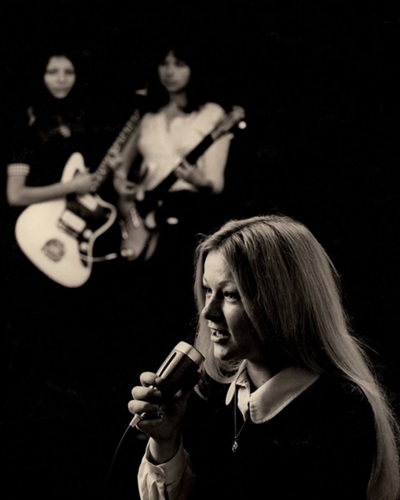
Producer Eddy Hilberts was blown away by the song. He called the harmonies of the three sisters enchanting. They had been singing together since they were eight. “We performed for the first time in a little bar in our village here in Limburg, inspired by big names like The Supremes and Gladys Knight,” Toni says about it in Polderpower. “We weren’t a country band at all. We played Motown with three singers.”
The budget for recording Mississippi was exceeded because real strings were used. Still, Hilberts already knew back then that promotion would be a problem. ‘It wasn’t that swinging, a bit out of style. The problem was that they looked very ordinary. Almost too ordinary.’
“At the promotion department of the record label, they didn’t think the song by the Limburg band was worth it,” says pop expert Peter Voskuil. “The head of that department, holding the freshly pressed single in his hand, shouted the historic words: ‘This is the shit we have to promote from the Dutch department.’ So, of course, there was no promotion.”
Single rejected three times
Voskuil: ‘Even in England, the single was rejected by the record label, even up to three times, with the argument that it was corny, dull, and boring at the same time.’
But that girl next door effect turned out to be exactly what people liked about Pussycat. The three girls were completely down-to-earth. Toni, so to speak, even brought her knitting to the performances.
It wasn’t until months later, in the summer of 1975, that the song was played on Dutch radio for the first time. “That was partly thanks to radio DJ Meta de Vries from AVRO, who started playing the track,” Dekker remembers. At the time, she didn’t know whether it was an English or American pop group. “The single had been ignored for months, but de Vries kept playing it for weeks.”
According to her, it was a song with hit potential. Dekker calls it one of the most important songs in Dutch pop history. “It’s a fantastic track. It could easily become a hit again if the younger generation picks it up on social media, like TikTok.”
“While the song shot up to number one on the Top 40 in the fall of 1975, the sisters were still just working as switchboard operators at DSM,” says pop expert Johan van Slooten. The late pop journalist Jip Golsteijn was enchanted by Toni Willé’s voice. ‘She easily has the best voice in Dutch pop,’ he wrote in June 1976 in De Telegraaf.
Pussycat scored hit after hit in the Netherlands after Mississippi and even reached number one once more. But abroad, the Limburg band remained mostly known as a one-hit wonder, thanks to that one song about that American river.
The Netherlands had to wait until February 1993 before Dutch pride topped the British charts again. Then 2 Unlimited took the number one spot with ‘No Limit’.
Het Nederlandse Pussycat stootte in 1976 het grote Abba van de troon: ’Britse muzieksnobs vonden het continental shit’
Precies 50 jaar geleden hadden drie Limburgse zusjes een nummer-1-hit in Engeland
Richard van de Crommert, Muziekjournalist
17 oktober 2026
Het is bij pub quizzen in het Verenigd Koninkrijk tot op de dag van vandaag een favoriete vraag: welk lied stootte Abba’s Dancing Queen in 1976 van de eerste plek in de Britse hitparade? Het antwoord is Mississippi van de Limburgse band Pussycat. Het is deze week precies vijftig jaar geleden dat de country-popballad die grote mijlpaal bereikte.
“Dat we de eerste plaats in de Britse hitparade haalden, zie ik eigenlijk wel als het hoogtepunt in mijn carrière”, zegt zangeres Toni Willé daarover in het boek Polderpower. In Nederland is het onderdeel van het nieuws. De Telegraaf benadrukte in die oktoberweek nog maar eens hoe uniek de prestatie is. “De Britse hitparade, traditiegetrouw een vrijwel gesloten markt voor popmuziek van het continent, wordt deze week aangevoerd door een Nederlandse groep.”
Het leverde de Limburgse band drie optredens op in Top of the pops. Pussycat was overigens niet de eerste Nederlandse band in het populaire muziekprogramma van de BBC; Shocking Blue, Focus en Golden Earring gingen de groep voor. Maar Pussycat, met de drie nuchtere zussen Toni, Betty en Marianne als middelpunt, schreef wel Nederlandse popgeschiedenis door de nummer 1-positie te pakken, waarop de band vier weken bleef staan.
De band werd in het muziekprogramma aangekondigd door de later omstreden Jimmy Savile. Toni, Betty en Marianne gingen gekleed in stemmig zwart (“Bij C&A gekocht, hoor”). Die week stonden ze op nummer twee. De kans dat de nummer 1-positie zou worden bereikt, leek niet groot. “We worden daar geen nummer één”, zei Toni destijds. “Daar staat Abba, dus dat redden we niet.” Maar het lukte ze toch. Een week later stond de Nederlandse band op nummer één.
Hartstochtelijk werden ze die week in Top of the pops aangekondigd met de historische woorden: “We sluiten deze week af met een gloednieuwe nummer één. Ze hebben Abba van de troon gestoten; het is Pussycat, met het nummer Mississippi.”
In het Verenigd Koninkrijk konden ze eigenlijk bijna niet geloven dat de gevestigde Britse poporde op zijn kop werd gezet door een Nederlandse band, met een countryliedje nog wel.
’Onze hitlijst wordt momenteel aangevoerd door een lied over een Amerikaanse rivier, gezongen door een stelletje Nederlandse meiden van in de twintig en zes jaar geleden geschreven door een klassieke gitaardocent in Eindhoven’, schreef een muziekjournalist in het blad Sounds.
’De echte Engelse muzieksnob plaatste de muziekstijl van Pussycat in de categorie continental shit’, schreef Lou Willé, medeoprichter van de Limburgse band, in het boek De Mississippi stroomt in Limburg. Maar Pussycat overwon. Uiteindelijk werden er meer dan 1 miljoen exemplaren van de single verkocht in het Verenigd Koninkrijk.
Wereldhit
Niet alleen in Engeland, maar ook in Hongarije, Brazilië, Nieuw-Zeeland en Zuid-Afrika werd de ballad een dikke hit. Wereldwijd gingen er 4 miljoen exemplaren van over de toonbank. “Gek genoeg heeft het in de Verenigde Staten niks gedaan”, zegt radiomaker Daniël Dekker.
In ons land werd Mississippi tien maanden eerder een grote hit, in het najaar van 1975. In december stond het nummer op één.
In januari 1975 werd Mississippi voor het eerst ingespeeld en in maart werd de opname afgerond. “Ze waren wel zo verstandig om met de zangpartijen te wachten tot na carnaval”, herinnert Toni Willé zich in het tv-programma Single luck. Niet veel later kwam het lied uit. Het deed niets. Dat kwam onder andere doordat de platenmaatschappij er weinig in zag.
“Mississippi lag al een aantal jaren op de plank, voordat we het opnamen voor een auditie bij platenlabel EMI”, zegt Toni Willé in de Nederlandse popbijbel Dutch mountains.
Het door muziekdocent Werner Theunissen geschreven nummer was geïnspireerd op de folkachtige klanken van Massachusetts van de Bee Gees. De tekst van het countryachtige Mississippi is eenvoudig. “Het is een soort nostalgische aanklacht tegen de rockmuziek die in de jaren zeventig opkomt”, zegt Dekker.
Producer Eddy Hilberts was weg van het liedje. Hij noemde de samenzang van de drie zussen betoverend. Al vanaf hun achtste zongen ze samen. “We traden voor het eerst op in een kroegje bij ons in het dorp hier in Limburg. Met grote voorbeelden als The Supremes en Gladys Knight”, zegt Toni daarover in Polderpower. „We waren helemaal geen countryband. We speelden Motown met drie zangeressen.”
Het budget voor de opname van Mississippi werd overschreden doordat er echte strijkers werden gebruikt. Toch wist Hilberts toen al dat de promotie een probleem zou worden. “Het was niet zo swingend, een beetje uit de mode. Het probleem was dat ze er heel gewoon uitzagen. Te gewoontjes bijna.”
“Op de promotieafdeling van het platenlabel vond men het nummer van de Limburgse band de moeite niet waard”, zegt popkenner Peter Voskuil. “De baas van die afdeling riep, met de versgeperste single in zijn hand, de historische woorden: ’Dit is nu de shit die wij van de Hollandse afdeling moeten promoten’. Er volgde dan ook geen promotie.”
Single drie keer afgekeurd
Voskuil: “Ook in Engeland werd de single, zelfs tot drie keer toe, afgekeurd door de platenmaatschappij, met als argument dat het corny, dull en boring (melig, saai en vervelend, red.) tegelijkertijd was.”
Maar dat girl next door-effect bleek juist precies wat mensen leuk vonden aan Pussycat. De drie meiden waren wars van kapsones. Toni nam bij wijze van spreken haar breiwerkje mee naar de optredens.
Pas maanden later, in de zomer van 1975, werd het nummer voor het eerst op de Nederlandse radio gedraaid. „Dat was mede dankzij radiodiskjockey Meta de Vries van de Avro, die het liedje begon te draaien”, herinnert Dekker zich. Zij wist in die tijd niet of het een Engelse of Amerikaanse popgroep was. “De single was toen al maandenlang niet opgepikt, maar De Vries bleef het wekenlang draaien.”
Volgens haar was het een plaatje met hitpotentie. Dekker noemt het een van de belangrijkste liedjes uit de Nederlandse popgeschiedenis. “Het is een fantastisch nummer. Het zou zomaar opnieuw een hit kunnen worden als het een keertje door de jongere generatie wordt opgepikt op sociale media, zoals TikTok.”
“Terwijl het nummer in het najaar van 1975 in sneltreinvaart naar de eerste plaats van de Top 40 steeg, werkten de zusjes nog gewoon als telefonistes bij DSM”, zegt popkenner Johan van Slooten. Wijlen popjournalist Jip Golsteijn was betoverd door de stem van Toni Willé. ’Zij heeft met afstand de beste stem in het Nederlandse popwezen’, schreef hij in juni 1976 in De Telegraaf.
Pussycat scoorde na Mississippi de ene na de andere hit in Nederland en kwam zelfs nog een keer op nummer één. Maar in het buitenland bleef de Limburgse formatie vooral bekend als one-hitwonder, dankzij dat ene lied over die Amerikaanse rivier.
Nederland moest tot februari 1993 wachten voordat Hollandse glorie opnieuw de Britse hitlijsten aanvoerde. Toen pakte 2 Unlimited met No limit de eerste plaats.